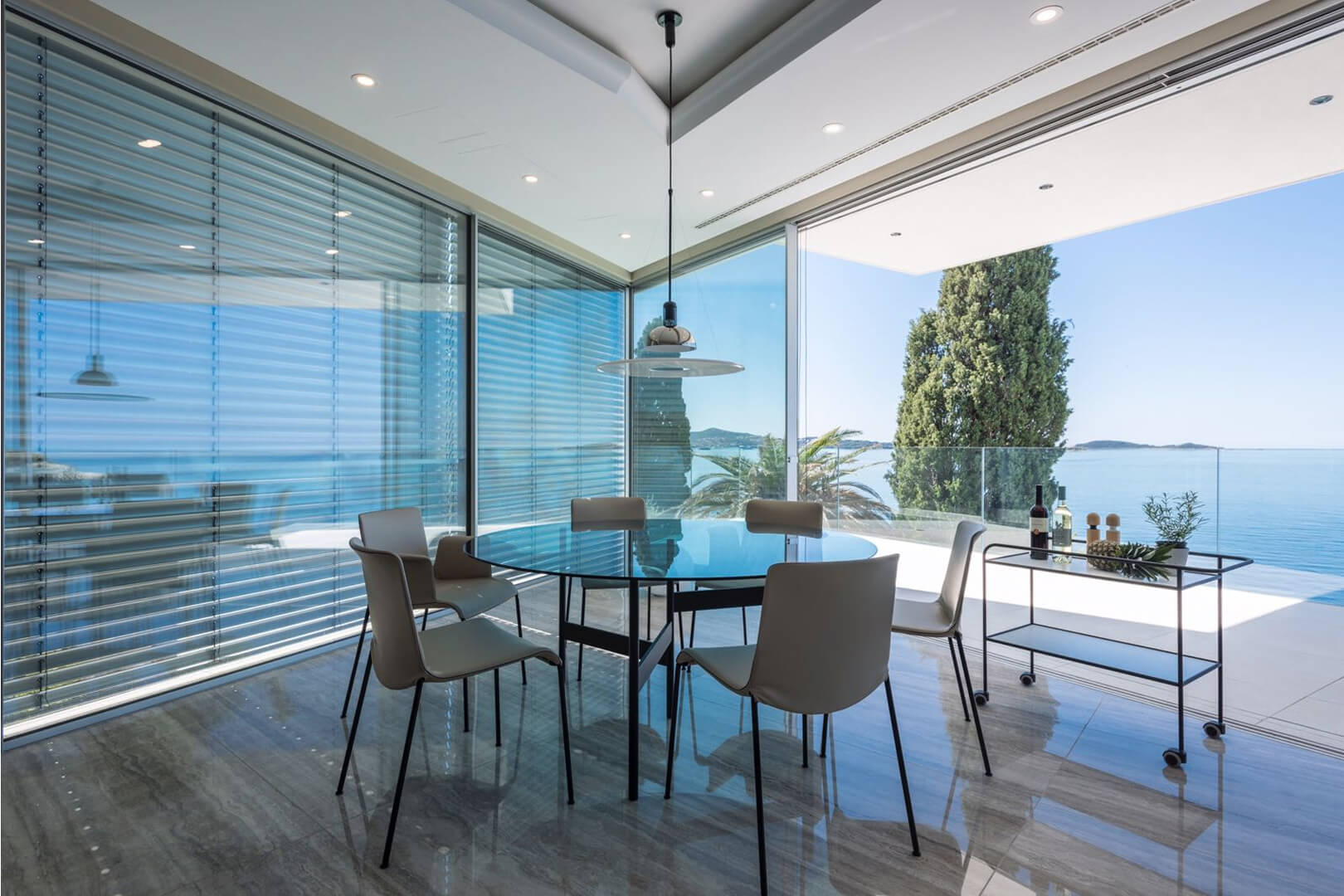
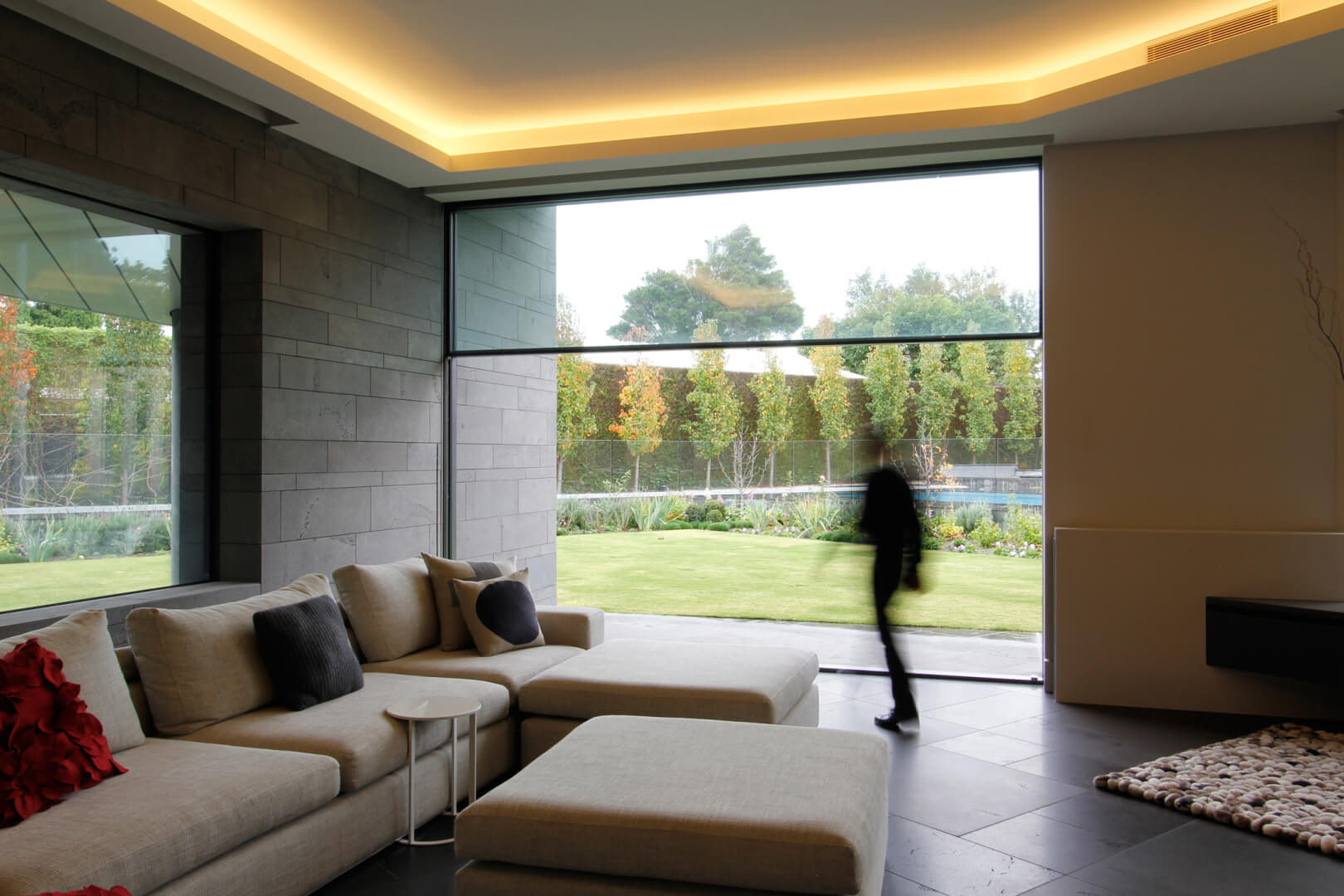
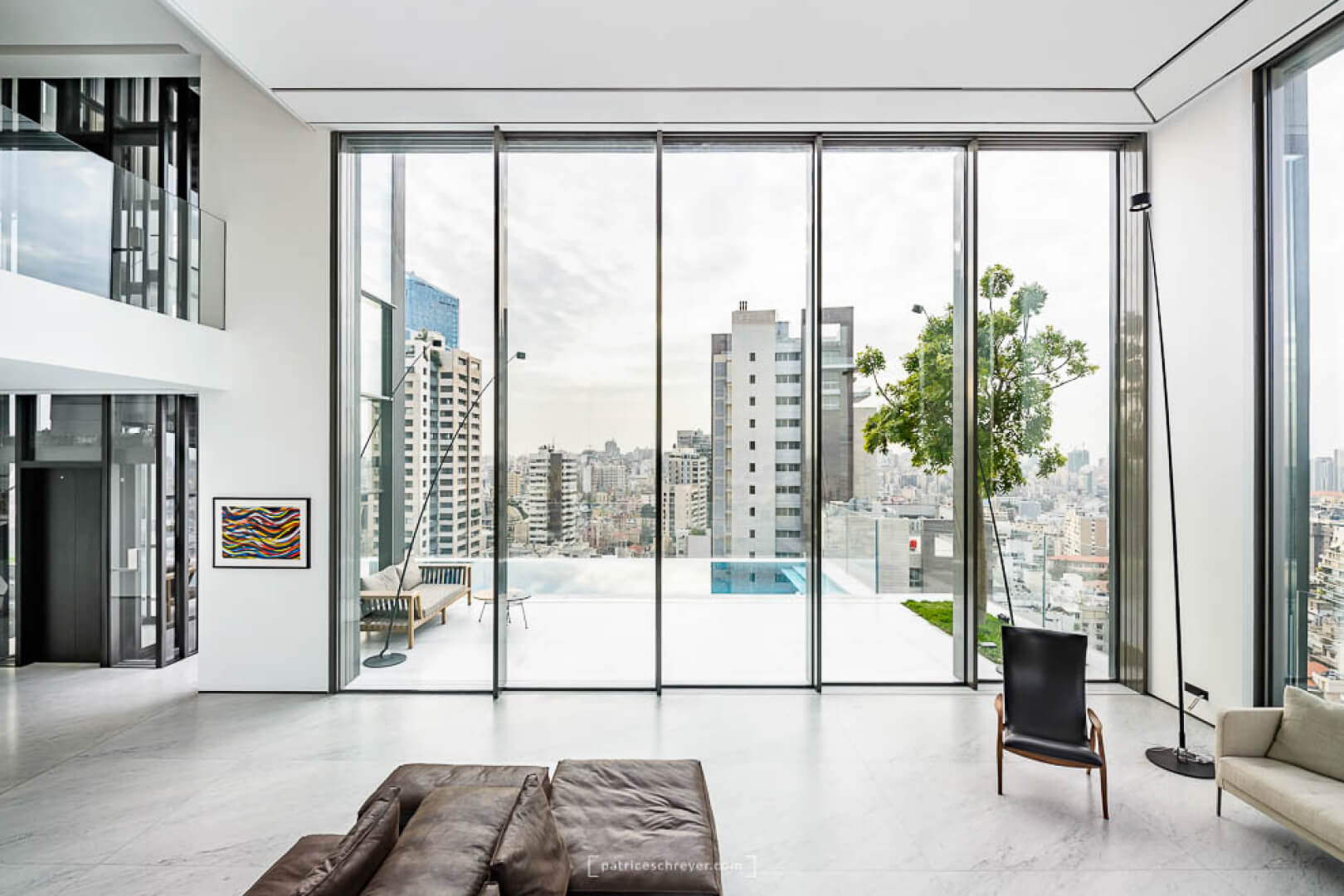
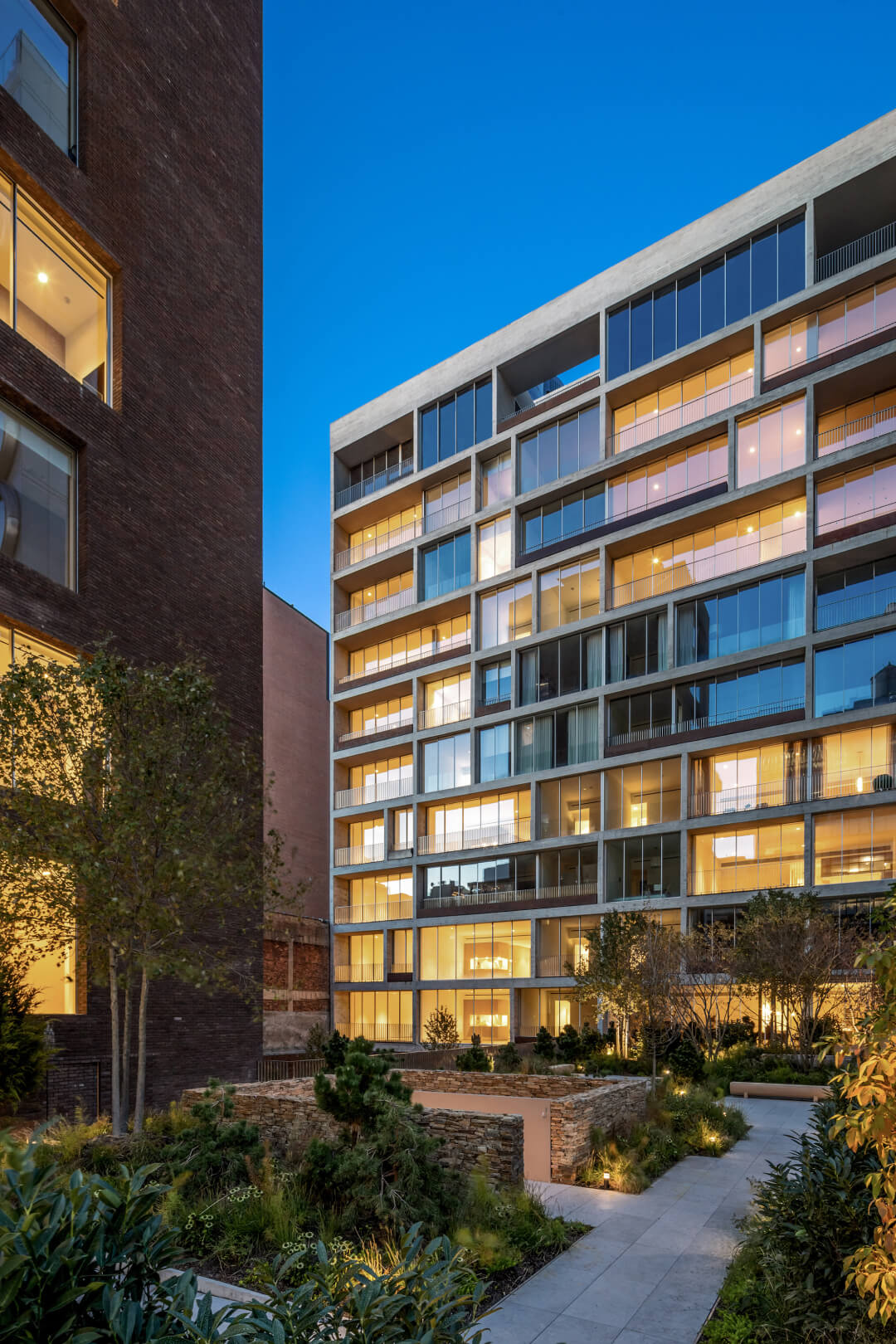
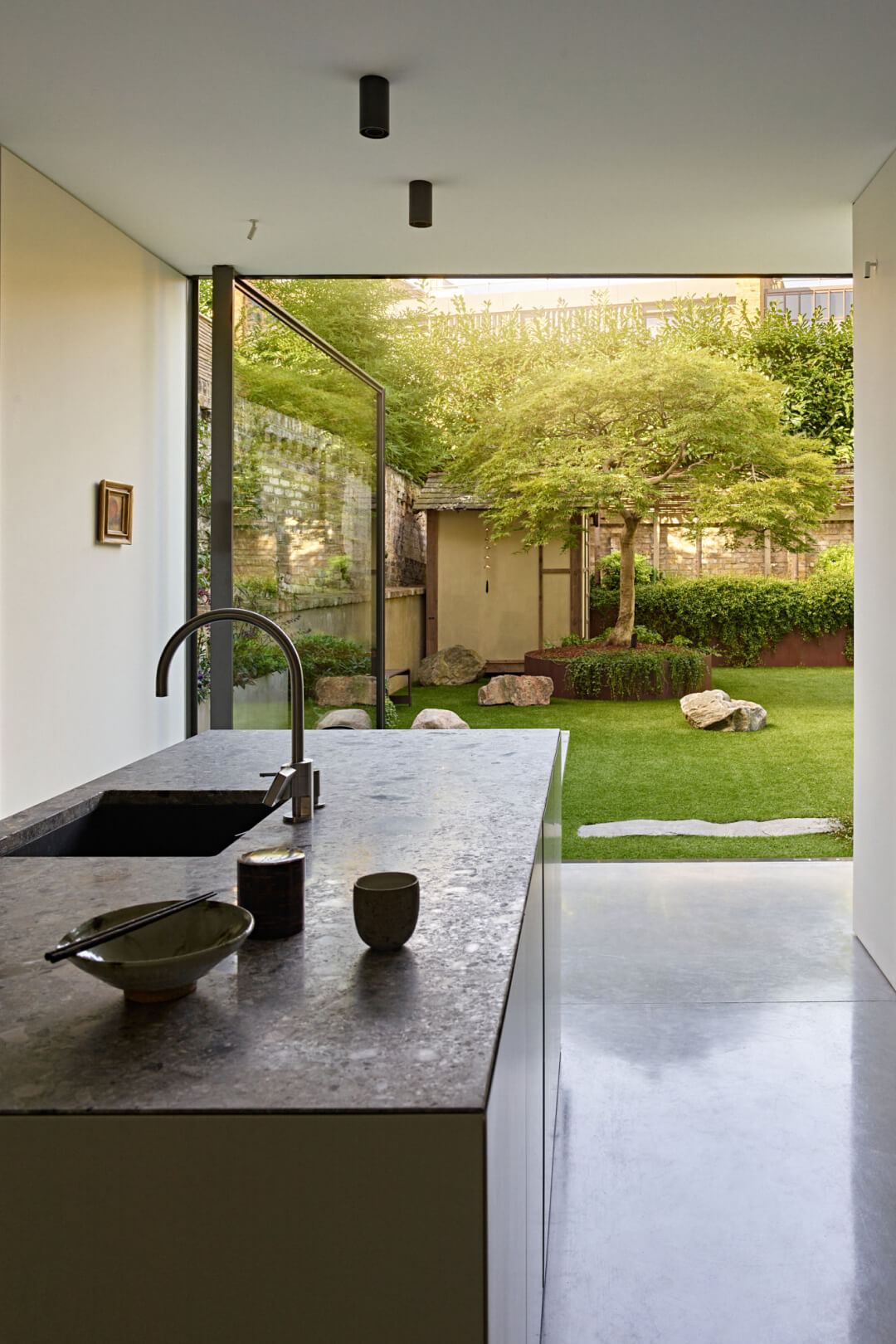
Improve solar control, glare, privacy and glass performance with a solution planned around the occupants, appearance, access, schedule and long-term needs of the space.
Balance Performance, Appearance and Occupant Needs.
Commercial glazing is not one-size-fits-all. Lumen reviews the glass, exposure, desired visible light, exterior reflectivity, interior conditions and operational goals before recommending the appropriate film.
Heat
Use manufacturer-published TSER/solar values for the exact product and glass context; do not promise a fixed temperature drop.
Energy
Say film can support solar-performance and cooling-load goals; do not promise a fixed bill reduction or payback.
Glare
Describe improved screen/space usability; avoid guaranteeing elimination under every sun angle
UV
Use exact published values and explain that UV is one contributor to fading, not the only cause
Appearance
Review visible light and interior/exterior reflectivity across connected elevations
Privacy
Call reflective privacy daytime privacy and explain the nighttime lighting limitation
PLANNED AROUND THE PROPERTY
The Installation Plan Matters as Much as the Film.
OCCUPIED SPACES
Identify work hours, tenant/customer impact, noise limits, furniture/equipment and area-control expectations.
Confirm schedule, property rules, protection, area release and communication before work begins.
QUALITY REVIEW + CLOSEOUT
Inspect completed work and deliver care plus approved manufacturer/workmanship information.
Supporting Designers, Builders and Project Teams
Lumen works with architects, interior designers, custom builders, general contractors, property managers and commercial glass companies to review film performance, appearance, access and installation requirements.
Helps hold shattered glass together; may support a broader protective strategy.
Security
Application-specific film/attachment options reviewed against project goals.
Energy
Can reduce solar heat gain and support cooling/building-performance goals.
Privacy
Improves daytime privacy when outdoor light is brighter.
UV/fading
Blocks the published UV percentage and helps reduce a contributor to fading.
Warranty
Applicable manufacturer and workmanship information after product/glass review.
Codes/specs
Coordinate documented product data requested for the application.
Commercial FAQ
Can Lumen work in an occupied business?
Often yes. The project plan should address work hours, occupants, area access, furniture/equipment protection and the property’s operating requirements before scheduling.
Can installation be phased or completed after hours?
Potentially. Phasing and after-hours work depend on scope, access, property rules and scheduling, and must be confirmed in the proposal.
How is commercial window-film pricing determined?
Pricing depends on film, glass area and type, access, height, equipment, removal, site requirements, schedule and project complexity. Final pricing follows verified scope.
Do you provide samples or a test area?
Samples and a project-specific mockup may be appropriate where appearance or stakeholder approval is important. Availability and any cost are confirmed during project review.
Can film help with storefront scratching or graffiti?
Anti-graffiti film can act as a replaceable sacrificial layer on selected glass and smooth surfaces. It does not repair existing damage or prevent every type of vandalism.
Does security film make glass unbreakable?
No. Safety and security films are designed to help hold shattered glass together and may be used as part of a broader protective strategy. Performance depends on the complete system and conditions.
Can window film reduce energy costs?
Film can reduce solar heat gain and support cooling-performance goals, but actual savings depend on the building, glass, exposure, HVAC operation, occupancy and other factors.
PLANNING A COMMERCIAL WINDOW-FILM PROJECT?
Let's Compare the Right Film for the Glass.
Share the location, glass, goals, timing and available plans or photos. Lumen will review the information and contact you about the appropriate next step.