
Safety and security film is designed to help hold shattered glass together and may support protection against accidental breakage, forced entry, windborne debris and other project-specific hazards when the complete system is properly selected and installed.
When untreated glass breaks, loose fragments can separate and fall or scatter. Safety and security film uses a strong film-and-adhesive layer to help retain shattered glass. Depending on the complete system, this can support safety, delay and protection goals.
Helps hold broken glass fragments together instead of allowing all fragments to separate freely.
By retaining more broken glass, the system may help reduce hazards from loose shards; it cannot eliminate injury risk.
A reviewed film/system may increase the time and effort required to create an opening; it does not guarantee prevention.
Windborne-debris and blast-related claims require the exact tested film, glass, frame/attachment and installation documentation.
The glass, film, frame, attachment method and installation work together. Lumen reviews the existing conditions and project objective before recommending an approach; performance cannot be assumed from film thickness alone.
Type, thickness, construction, condition, size, tempering/lamination and coatings affect compatibility and behavior.
Thickness, construction, adhesive and tested performance must match the project goal and glass application.
Frame material, condition, bite and anchorage influence whether broken filmed glass remains in the opening.
When specified, an attachment system connects the filmed glass to the frame; exact method and tested configuration matter.
Surface preparation, edges, seams, curing and attachment workmanship affect the completed system.
Opening size, exposure, threat/hazard, surrounding construction and maintenance affect real-world performance.
Helps retain fragments after impact or breakage.
Can add time/effort and help keep shattered glass in place as part of a security strategy.
Selected tested systems may address specified wind/debris goals.
Selected tested systems may help manage glass hazards from blast pressure.
Film can help retain fragments if compatible and properly installed.
May support glass-retention goals where appropriate.
Accidental breakage
Forced entry
Windborne debris
Blast mitigation
Spontaneous/thermal breakage
Seismic/general hazard
Helps retain fragments after impact or breakage
Can add time/effort and help keep shattered glass in place as part of a security strategy.
Selected tested systems may address specified wind/debris goals.
Selected tested systems may help manage glass hazards from blast pressure.
Film can help retain fragments if compatible and properly installed
May support glass-retention goals where appropriate
Does not prevent all breakage or injury.
Not burglar-proof; no guaranteed delay without exact test/system.
Do not claim hurricane/code compliance without project documentation.
Requires defined threat, test standard and exact system; no universal claim.
Does not cure defective glass or prevent failure.
Do not claim seismic/code compliance without verified design.
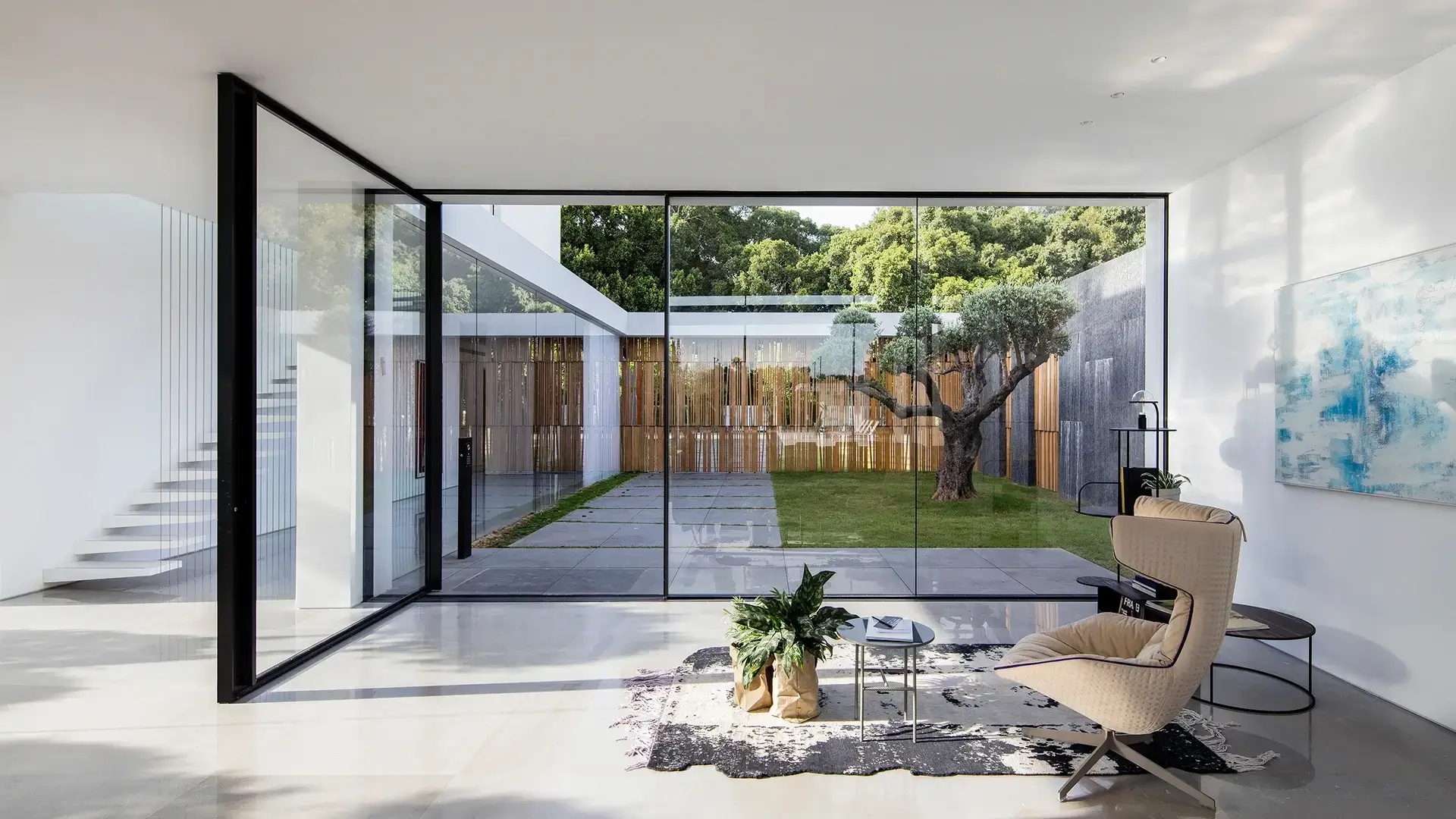
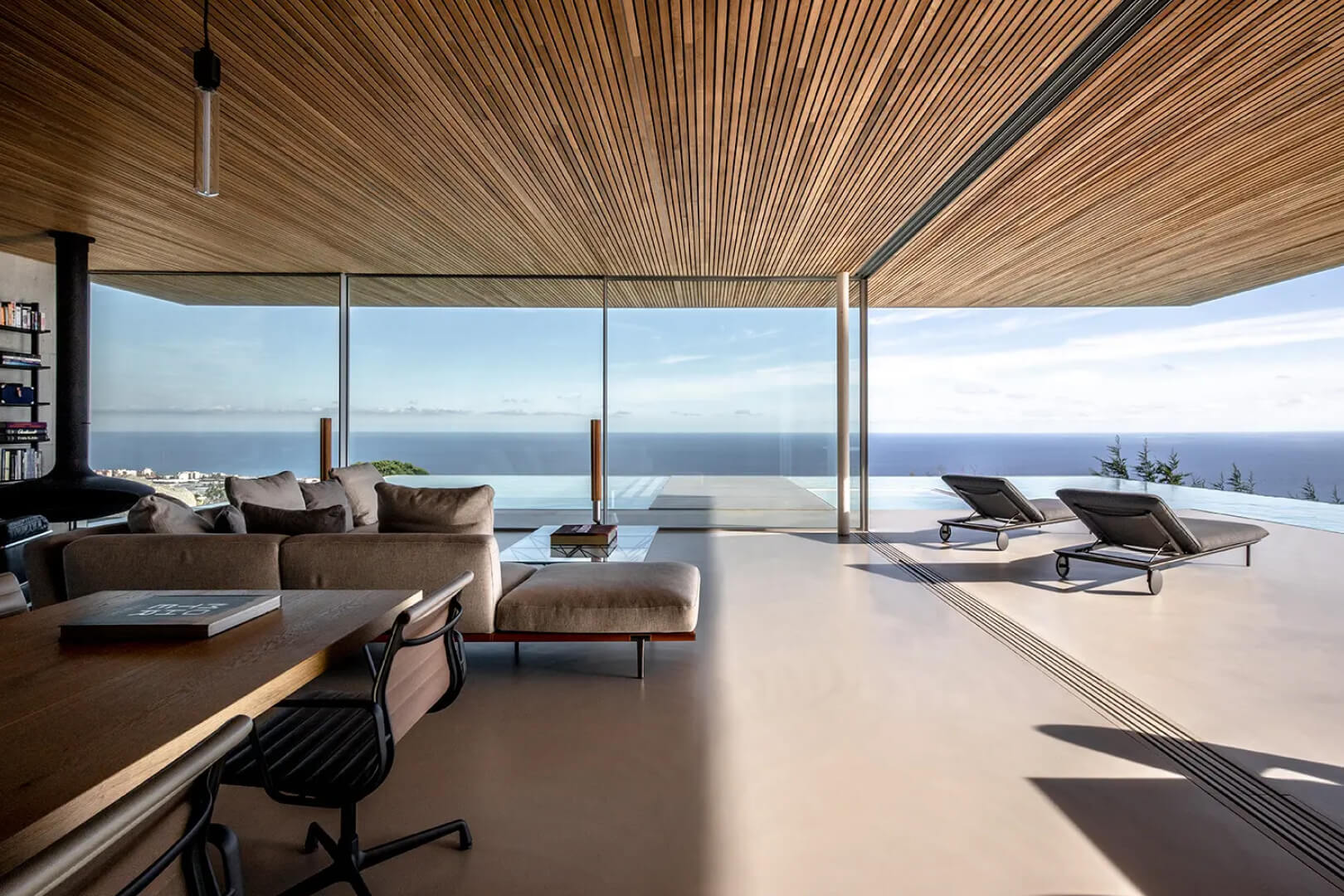
Safety and security films may be clear, neutral, solar-control or reflective depending on the product family and project. Lumen selects the approach around the hazard goal, glass, frame, daylight, appearance and complete system requirements.
Protection-focused projects seeking minimal visual change.
Projects combining solar, glare, UV and shatter-retention goals
Projects prioritizing solar performance and daytime privacy with security properties.
Projects where retaining filmed glass in the frame is part of the performance goal.
Identify accidental-breakage, forced-entry, weather, blast or other glass-retention goals and who sets the criteria.
Collect plans/photos, pane sizes, glass/frame information, access, location and current conditions.
Review representative openings, frame conditions, obstacles, operating constraints and potential attachment requirements.
Match the proposed film/attachment approach to the documented goal and current manufacturer/test information
Define scope, inclusions, exclusions, access, phasing, area protection, schedule and closeout documents.
Prepare, install and inspect the approved system; deliver care and applicable warranty/project documentation
Helps hold shattered glass together.
May help reduce hazards from loose broken glass
May add time and effort to a forced-entry attempt as part of a reviewed system
Selected tested systems may address windborne-debris or blast goals
Clear, solar and reflective safety-film directions may be available.
Manufacturer limited warranty may apply to the selected product/system.
Performance depends on glass, frame, attachment, installation and conditions
Not a substitute for a complete security plan.
Shatterproof or unbreakable glass.
Prevents all injury or keeps everyone safe.
Burglar-proof, intrusion-proof or guaranteed delay time
Hurricane-, bomb- or blast-proof; code compliant without exact documentation.
Invisible or no change in glass appearance.
Universal window/seal coverage or lifetime protection.
Film thickness alone proves security level.
Replaces locks, alarms, laminated glass, guards or professional risk assessment.
Every project-specific performance statement must be reviewed against the exact current product data, test method, glass/frame/attachment configuration, installation and governing project requirements before publication or proposal use.
No. Safety and security film is designed to help hold shattered glass together. Glass can still break, and system performance depends on the glass, film, frame, attachment method, installation and conditions.
A properly selected system may add time and effort to forced entry and help keep broken glass in the opening. It cannot guarantee that entry will be prevented.
Do not treat architectural safety/security film as bulletproof. Ballistic claims require an exact tested ballistic glazing system and documentation; no such claim should be made from film alone.
Not necessarily. The appropriate approach depends on the project goal, glass, frame and required performance. When attachment is part of the system, the exact method and tested configuration matter.
Safety/security film directions can include clear, neutral, solar-control and reflective appearances depending on the selected product. No option should be called invisible without qualification.
Not as a final safety/security system. Photos, plans and approximate dimensions help begin the review, but glazing, frames, access and performance goals require human assessment.
Coverage depends on the selected film/system, glass and application. Lumen provides only the applicable current manufacturer and workmanship documentation after the system is confirmed.
Share the property, glass, concern and any known requirements. Lumen will review the information and contact you about the appropriate next step.