
Improve the comfort and usability of sun-facing spaces with professional window film selected to balance solar performance, visible light, reflectivity and daytime privacy.
Direct sunlight delivers solar energy through the glazing. Depending on orientation, glass type, shading and time of day, that load can create hot spots, harsh glare and rooms that feel less usable even when the air-conditioning is running.
Window film works at the glazing to address several related problems at once. The final balance depends on how much light, reflection, privacy and solar performance the project calls for.
Reject a significant portion of total solar energy to help reduce the load created by sun-exposed glass.
Reduce harsh visible light so screens, living areas, workspaces and customer-facing rooms are easier to use.
DRDS 15 blocks more than 98% and SYDS 15 more than 99% of UV under the published test conditions.
Help reduce UV exposure - one major contributor to fading- while recognizing that visible light, heat, materials and time also matter.
What It Means
Visible Light Transmitted: the percentage of visible light passing through the film/glass system.
How To Use It
Lower VLT generally looks darker and reduces more visible-light glare.
What It Means
The percentage of visible light reflected from the exterior side in the stated test context.
How To Use It
Higher reflectivity changes exterior appearance and can strengthen daytime privacy.
What It Means
Total Solar Energy Rejected: overall solar energy rejected by the film/glass system.
How To Use It
Use as the primary overall solar-performance comparison between these two options.
What It Means
Infrared Energy Rejection: infrared performance using the manufacturer’s stated method/context.
How To Use It
Useful supporting metric; do not market it as the same thing as total solar rejection.
What It Means
Published percentage of ultraviolet radiation blocked in the test configuration.
How To Use It
Explain UV as one contributor to fading, not the only source.
What It Means
Published reduction in visible-light glare relative to the reference glass.
How To Use It
Connect to screens and room usability without guaranteeing elimination.
Choose DRDS 15 when you want strong solar control with less exterior reflectivity and slightly more transmitted light. Choose SYDS 15 when maximum solar rejection, glare control and daytime privacy matter more than maintaining a subtler reflective appearance.
Position
Visible light transmitted
Exterior reflectivity
Total solar energy rejected
IR energy rejected
UV protection
Glare reduction
Best fit
Price position
Refined Performance
15%
41%
71%
70%
>98%
84%
Strong solar control with lower exterior reflectivity and slightly more visible light.
Same standard price
Maximum Solar Control
10%
63%
82%
84%
>99%
89%
Highest solar rejection, glare reduction and daytime privacy of the two.
Same standard price
The right film is not selected by numbers alone. Lumen reviews how visible light, reflectivity, room lighting, neighboring views and connected elevations affect the finished result.
DRDS 15 transmits 15% visible light versus 10% for SYDS 15
DRDS 15: 41% exterior reflectivity versus 63% for SYDS 15
SYDS 15 generally provides the stronger effect because of its lower VLT and higher exterior reflectivity.
No guarantee. When it is darker outside and brighter inside, reflectivity can weaken or reverse.
Samples guide the choice, but full-pane appearance varies with glass, scale, light, angle and surroundings.
Connected glass/elevations should be reviewed together so the finished appearance looks intentional.
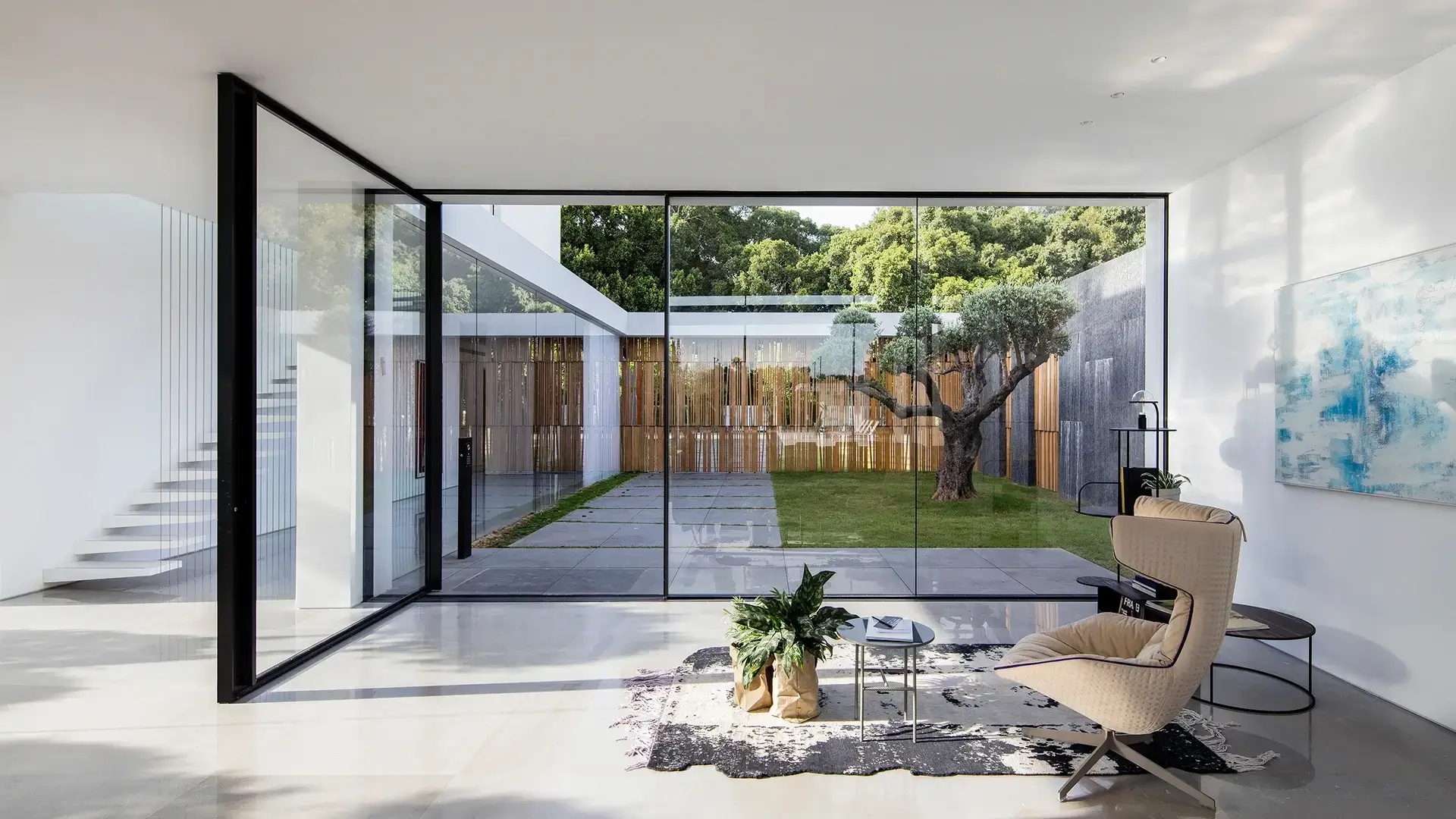
Use scope and complexity to guide the visitor. Never ask whether the home or project is ‘luxury enough’ for a consultation.
SYDS 15 has the higher published total solar energy rejection: 82% versus 71% for DRDS 15 on nominal 1/8-inch clear glass in the supplied SunTek specification sheet.
SYDS 15 generally provides stronger daytime privacy because it transmits less visible light and has higher exterior reflectivity. Neither option guarantees nighttime privacy.
Reducing solar energy through the glass can improve comfort and reduce hot spots, but the actual change depends on glass, exposure, room conditions, HVAC, shading and use.
TSER measures overall solar energy rejected in the stated film/glass system. IRER addresses infrared performance under the manufacturer’s method. IRER should not be presented as the same thing as total heat rejection.
No. UV is a major contributor, but visible light, heat, material chemistry and time also contribute. Film helps reduce UV exposure; it does not eliminate all fading.
Both standard films noticeably change the glass. DRDS 15 is lighter and less reflective than SYDS 15. Lumen uses samples and elevation review to help set expectations.
No product should be assumed compatible with every glass system. Lumen reviews the glass, pane conditions, application and current manufacturer guidance before final selection.
Tell us where heat, glare or daylight is creating a problem. Lumen will review the project and help you choose the appropriate next step.